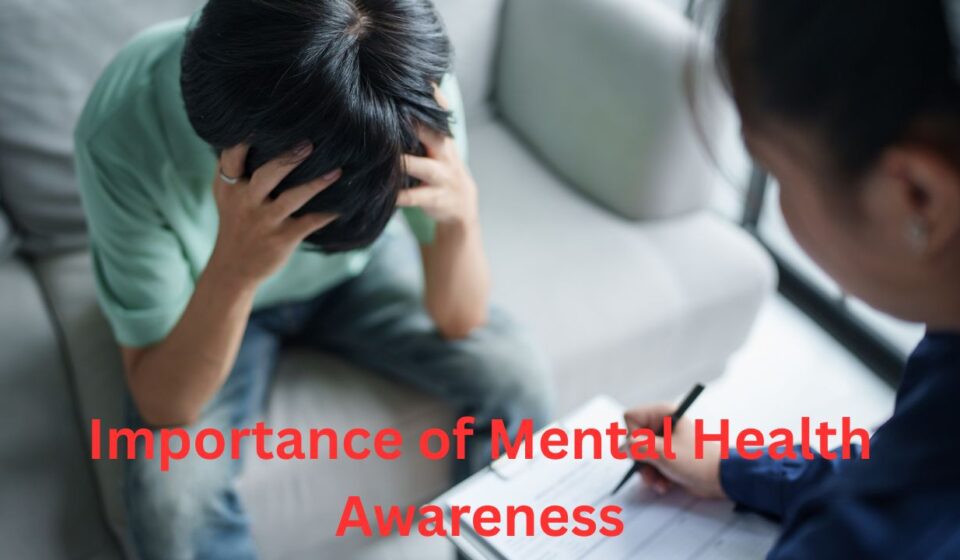

Mental health awareness plays an essential role in building healthier individuals, families, workplaces, and communities. It helps people understand that mental well-being is an important part of overall health, just like physical health. Awareness can reduce harmful stereotypes, encourage open conversations, and make it easier for people to seek appropriate support when they are struggling. Learning about common mental health challenges also helps individuals recognize warning signs early. By promoting accurate information and empathy, mental health awareness can create an environment where people feel safer discussing emotional difficulties without unnecessary shame or judgment.
Understanding the Importance of Mental Health
Mental health affects how people think, feel, behave, communicate, and respond to everyday challenges. Good mental well-being can support healthy relationships, decision-making, productivity, and emotional resilience. Mental health can change throughout life because of stress, major life events, financial difficulties, relationships, work pressures, physical illness, or other circumstances. Understanding this connection helps people take emotional well-being seriously instead of treating mental health concerns as personal weaknesses. Greater awareness encourages individuals to pay attention to their emotional needs and recognize when additional support may be beneficial.
Reducing Mental Health Stigma
One of the biggest benefits of mental health awareness is reducing stigma. Misunderstandings about conditions such as depression, anxiety, and other mental health disorders can cause people to feel embarrassed or isolated. Some may avoid discussing their experiences because they fear criticism or discrimination. Public education can replace myths with reliable information and encourage more compassionate attitudes. When communities understand that mental health conditions can affect people from many different backgrounds, seeking help becomes more socially acceptable. Reducing stigma is therefore an important step toward creating supportive environments where people can discuss their concerns openly.
Encouraging Early Recognition of Warning Signs
Mental health awareness helps people identify potential warning signs before problems become more difficult to manage. Persistent sadness, extreme worry, significant changes in sleep or appetite, social withdrawal, difficulty concentrating, or losing interest in normal activities may indicate that someone is experiencing emotional difficulties. Recognizing these changes does not automatically mean a person has a mental health disorder, but they can be reasons to pay closer attention. Early recognition encourages people to communicate with trusted individuals or qualified professionals when appropriate. Timely support may help prevent problems from becoming more disruptive to daily life.
Promoting Open Conversations
Open conversations about mental health can help people feel less alone. When families, friends, schools, and workplaces create opportunities for respectful discussions, individuals may become more comfortable expressing their emotions and concerns. Listening without immediately judging, dismissing, or offering unwanted criticism can make conversations more supportive. Mental health awareness also teaches people that asking someone how they are doing can be meaningful when done sincerely. Normalizing conversations about emotional well-being can gradually create a culture where mental health receives the same thoughtful attention given to physical health.
Supporting Children and Teenagers
Mental health awareness is particularly important for children and teenagers because emotional challenges can affect education, friendships, family relationships, and personal development. Young people may not always have the vocabulary or confidence to explain what they are experiencing. Parents, teachers, and caregivers who understand common warning signs can provide appropriate support and encourage healthy communication. Schools can also promote emotional literacy, resilience, respectful relationships, and access to trusted support systems. Creating safe environments allows young people to discuss difficulties before they become overwhelming and helps them develop healthier ways of handling challenges.
Improving Workplace Mental Well-Being
Mental health awareness can also benefit modern workplaces. Excessive workloads, poor work-life balance, job insecurity, workplace conflict, and prolonged stress can negatively affect employee well-being. Organizations that take mental health seriously can promote healthier working environments through reasonable workloads, respectful communication, supportive policies, and access to appropriate resources. Employees who feel psychologically supported may be more comfortable communicating difficulties and seeking assistance when needed. Workplace mental health awareness is not only beneficial for employees; it can also contribute to stronger morale, better teamwork, and sustainable productivity.
Building Stronger Relationships
Mental well-being influences how people communicate and interact with others. When individuals understand their own emotions, they may find it easier to communicate needs, establish boundaries, and handle disagreements constructively. Mental health awareness also encourages empathy by helping people understand that others may be dealing with invisible challenges. Instead of immediately judging unusual behavior, an informed person may respond with patience and compassion. Stronger emotional awareness can therefore contribute to healthier relationships with partners, family members, friends, colleagues, and members of the wider community.
Encouraging Healthy Coping Strategies
Mental health education can introduce people to healthy ways of managing everyday stress. Regular physical activity, sufficient sleep, balanced nutrition, meaningful social connections, relaxation practices, hobbies, time outdoors, and realistic routines may support general well-being. These strategies are not substitutes for professional treatment when someone has a mental health condition, but they can be useful components of a healthy lifestyle. Awareness helps individuals understand that coping strategies should support rather than hide serious problems. When difficulties persist or interfere significantly with daily functioning, seeking qualified professional guidance can be an important step.
Connecting People With Professional Support
Mental health awareness helps people understand when professional support may be appropriate. Psychologists, psychiatrists, counselors, therapists, and other qualified healthcare professionals can provide different forms of assessment and support depending on a person’s needs. Awareness can also help people understand that seeking professional assistance is not a sign of failure. Just as someone may consult a doctor for a physical health concern, professional mental health support can be appropriate for persistent emotional or psychological difficulties. Access to reliable information makes it easier for individuals to make informed decisions about seeking care.
The Role of Families and Communities
Families and communities can play a major role in improving mental health awareness. Simple actions such as listening carefully, avoiding harmful labels, encouraging healthy routines, and supporting someone in finding appropriate help can make a meaningful difference. Community organizations, educational institutions, healthcare providers, and public campaigns can also share accurate information about mental health. When multiple parts of society work together, awareness becomes more than an individual responsibility. It becomes a collective effort to create environments where people can seek support, maintain dignity, and participate fully in community life.
Mental Health Awareness and Suicide Prevention
Mental health awareness can contribute to suicide prevention by encouraging people to recognize serious distress and respond appropriately. Expressions of hopelessness, thoughts about death or suicide, sudden withdrawal, or other concerning changes should be taken seriously. If someone may be in immediate danger or has expressed an intention to harm themselves, contacting local emergency services or an appropriate crisis service and staying with the person when safe can be important. Mental health education should emphasize that people experiencing severe distress deserve compassionate, immediate support rather than judgment or blame.
Using Social Media Responsibly
Social media can influence public understanding of mental health in both positive and negative ways. Educational content can reduce stigma and help people discover reliable resources, while misinformation, sensationalized posts, or self-diagnosis trends can create confusion. Users should consider the credibility of mental health information and avoid treating online content as a replacement for professional assessment. Responsible social media use includes checking sources, respecting privacy, and avoiding harmful stereotypes. Digital platforms can become valuable tools for awareness when information is accurate, respectful, and presented with appropriate context.
Creating a Culture of Compassion
A strong mental health culture is built on compassion, respect, and inclusion. People do not always show emotional distress in obvious ways, and assumptions about someone’s situation can be misleading. Small acts of kindness, active listening, and respectful communication can make social environments more supportive. Mental health awareness encourages people to look beyond stereotypes and recognize the complexity of human experiences. A compassionate culture does not mean ignoring problems; it means responding to difficulties with understanding while encouraging appropriate professional or community support when needed.
Conclusion: Making Mental Health Awareness a Priority
The importance of mental health awareness extends far beyond individual well-being. It can reduce stigma, encourage early recognition, strengthen relationships, support young people, improve workplace environments, and connect individuals with appropriate resources. Mental health deserves consistent attention because emotional well-being influences many areas of everyday life. By learning accurate information, communicating with empathy, and supporting access to qualified care, individuals and communities can contribute to a healthier society. Making mental health awareness a priority is an ongoing process that benefits people of all ages and backgrounds.